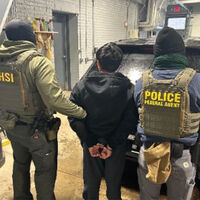


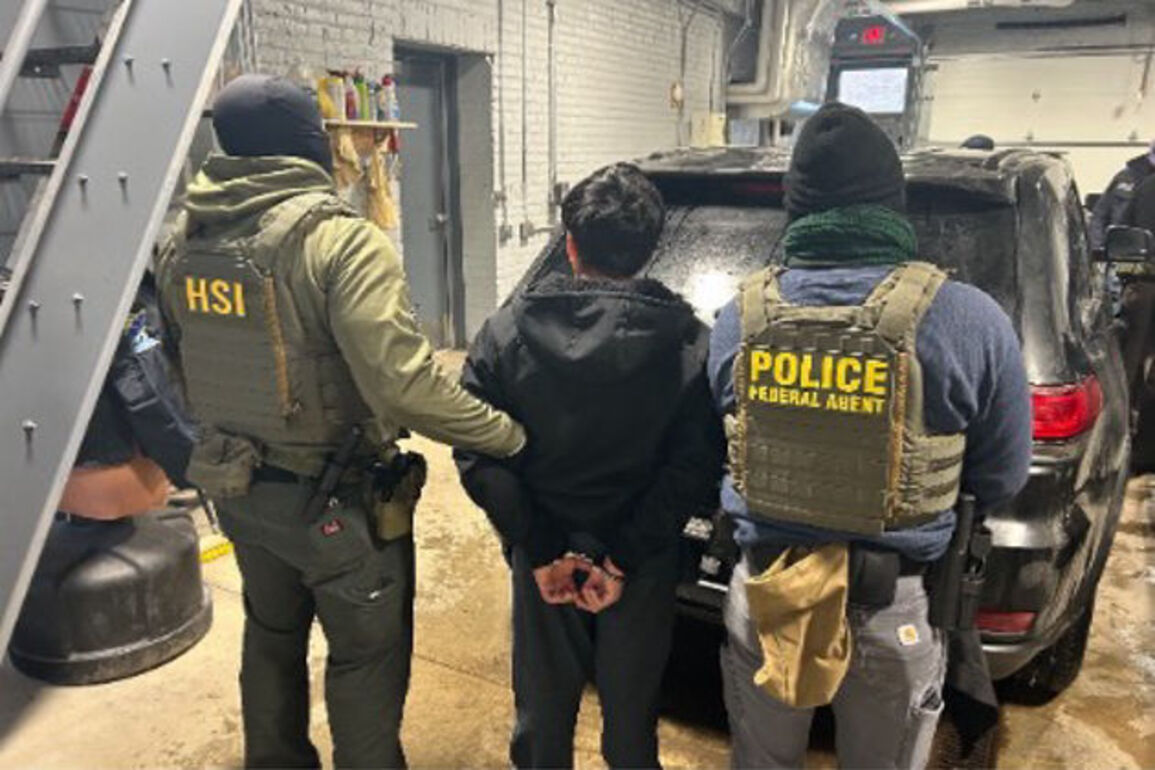
ST. LOUIS, Minnesota: A U.S. appeals court this week overturned a lower court's order restraining federal officers from arresting or tear-gassing peaceful protesters in Minneapolis.
A group of activists in Minnesota had sued the Trump administration in December for the deportation drive, saying their constitutional rights to protest and observe the enforcement actions had been infringed.
On January 16, U.S. District Judge Kate Menendez in Minnesota explicitly prohibited federal agents from detaining or using pepper spray, tear gas, or other crowd-control munitions against peaceful demonstrators or bystanders observing or recording immigration enforcement operations in the Twin Cities of Minneapolis and St. Paul.
The injunction was to remain in effect while the court reviewed the merits of the lawsuit. But the U.S. Department of Homeland Security appealed the district court's ruling.
Thereafter, on January 21, the 8th U.S. Circuit Court of Appeals sided with DHS, blocking the injunction while it decided whether to issue a longer-term stay or restore Menendez's restrictions on the ICE agents and the Border Patrol.
U.S. Attorney General Pam Bondi praised the appeals court ruling. She said the court stopped Menendez from trying to limit ICE agents who are enforcing immigration laws and dealing with violent protests.
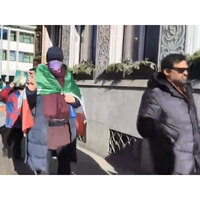
In recent weeks, Trump has sent nearly 3,000 Border Patrol and ICE officers to the Minneapolis area to carry out large-scale deportation raids. This has led to clashes with residents and daily protests.
Most protests have been peaceful. But things became more tense after an ICE agent shot and killed 37-year-old Renee Good two weeks ago while she was sitting in her car. Good was a U.S. citizen and a mother of three, and she was watching ICE raids in her neighborhood at the time.
On January 18, federal agents broke into a Minneapolis home with guns, handcuffed the man inside, and made him go outside in the snow wearing only underwear and sandals. Later, they realized they had the wrong person.
After that, an internal ICE memo from months ago became public. It says DHS lawyers now allow ICE officers to enter a person's home without a court warrant to make an immigration arrest.
The memo, shared with the media by the group Whistleblower Aid and reviewed by Reuters, admits this is a change from past policy. Before, DHS usually did not rely only on administrative warrants to make arrests inside homes.
In the past, immigration officers were generally not allowed to enter private homes or businesses without a warrant from a federal judge.
If ICE arrests someone in their home without a judge's warrant, that person can challenge the arrest in court, saying it violated their constitutional rights against unreasonable searches.
When asked about the memo, DHS official Tricia McLaughlin said that everyone arrested under these administrative warrants had already undergone a full legal process and received a final deportation order from an immigration judge.