


As World Cup fever rises in the Americas, countries are urged to strengthen measles surveillance and vaccination amid ongoing outbreaks across the region.
With the World Cup just days away, 16 greats of the game have been appointed Football for the Goals (FFTG) Champions, using their profiles to raise awareness of the Sustainable Development Goals (SDGs) and advocate for a better future for people and the planet.
The combination of rising measles transmission and increased international travel creates conditions that could accelerate the spread of the disease during large-scale events,the UN-backed Pan American Health Organization (PAHO)warnedin an alert.
It urged authorities to step up surveillance,identifythe highest-riskareasand ensure thattravellershave access to information and vaccination services ahead of the World Cup and other mass gatherings.
Rising measles caseload
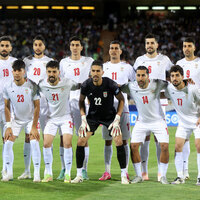
People everywhere are gearing up for thetournament, whichruns from11 Juneto 19 July.For the first timeever, the worlds biggest sporting event isbeing held in three countries: Canada,Mexicoand the United States.
The World Cup takes place asmeasles is on the rise globally, and across the Americas.This year, more than 184,000 cases were reported in 155 countriesby13 May,andnearly halfwere confirmed.
The majority, 29 per cent, were in the Southeast Asia region, followed by the Eastern Mediterranean, 21 per cent, while Africa and the Americas each accounted for 19 per cent of the global toll.
Regional situation
Across the Americas, 20,521 measles cases and 25 deaths were confirmed in 16 countries and one territoryby mid-May,representingafourfold increaseover the 5,123 cases during the same period in 2025 and already surpassingthe total caseload recorded that year.
Since January,Mexicohas confirmed 10,920 cases and 13 deaths, whileGuatemalahas reported 6,209 cases and 12 deaths.Canadahas reported1,018 casesand theUS1,952.
Other countriesamong themBolivia, Belize, Costa Rica, El Salvador, Honduras,Panamaand Uruguayhave also reported cases linked to outbreaks or importations.
Mostreportedmeaslescases have occurred amongpeople who were unvaccinated or whose vaccination status was unknown.
Safetravels
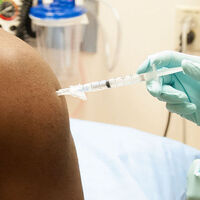
Ahead of the World Cup,PAHO recommends thatcountriesadvisetravellersaged six months and older who cannot provide proof of vaccination to receive a dose of measles-rubella vaccine, preferably two weeks beforeheadingto areas where transmission has been documented.
Theyshouldalsobe provided with information on the signs and symptoms of measles and rubella, whichincludefever, rash, cough, runny nose, conjunctivitis, joint pain, and swollen lymph nodes.
Those who develop symptoms should seek immediate care, wear a medical facemask, avoid close contact with others, and stay away from public places for seven days to reduce the risk of transmission.
On returning home, they shouldinform health professionals about their recent travel history.
Healthy goals
PAHO also called on countries to strengthen epidemiological surveillance in high-risk areassuch asborder regions,airportsandports.
The health agency further recommendsenhancing active case-finding, ensuring rapid investigation of suspected cases,maintainingtrained rapid response teams, and strengthening coordination for international contact tracing and outbreak response when necessary.