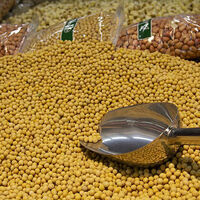


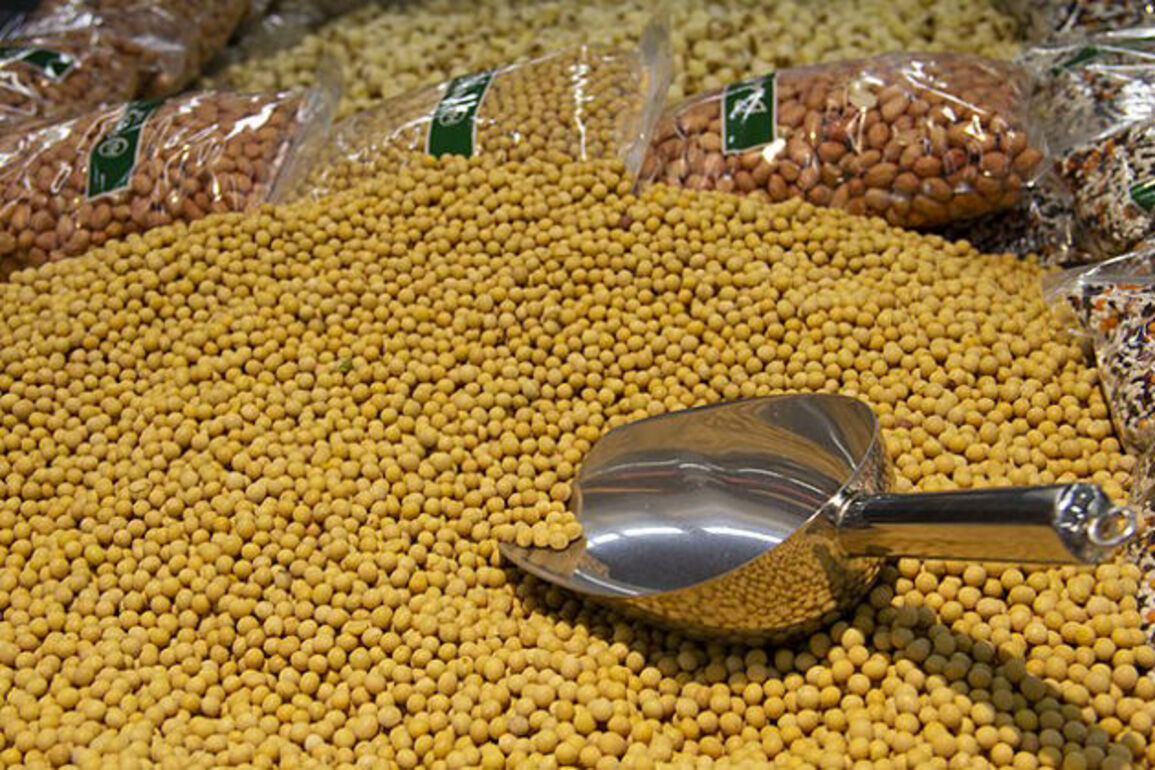
SINGAPORE/BEIJING: China is struggling with an oversupply of soybeans after months of record imports, reducing the chances of large U.S. sales even after a trade truce that Washington said included a pledge from Beijing to buy more American crops.
Traders and analysts say huge stockpiles at ports and in state reserves — along with poor profit margins for processors — mean China is in no rush to import more soybeans.
"State companies may wait for better profits before buying more," said Johnny Xiang of AgRadar Consulting. "Even with tariff waivers, profits are still negative, and Brazilian beans remain cheaper."
After President Donald Trump met Chinese leader Xi Jinping last month, U.S. officials said China had agreed to buy 12 million tons of soybeans by the end of the year and 25 million tons annually over the next three years.
But China has not publicly confirmed these commitments. It has paused tariffs on U.S. imports, and state buyer COFCO has booked only a few shipments for December and January, traders said.
Earlier this year, Chinese buyers heavily increased soybean imports from South America while avoiding U.S. beans, worried about possible shortages if the trade dispute continued. That led to a significant surplus at home.
Soybean stocks at Chinese ports reached a record 10.3 million tons on November 7, up 3.6 million tons from last year. Crushers — companies that process beans into meal and oil — held 7.5 million tons, the most since 2017, according to Sublime China Information.
Prices for soymeal, used to feed pigs, have dropped by more than 20 percent since April in major coastal regions such as Tianjin, Shandong, Jiangsu, and Guangdong, to around 3,000 yuan (US$421) per ton, Mysteel data showed.
Processors have been losing money since mid-year, with losses of about 190 yuan per ton this week in the central hub of Rizhao. Traders expect margins to stay negative until at least March.
"There's not much room for China to buy more soybeans," said one international trader. "Stocks are huge and feed demand is weak."
Expectations that state firms COFCO and Sinograin would quickly buy large amounts after the trade talks have not been met, though major purchases could still happen if ordered by the government.
A U.S. official told Reuters that Washington expects China to keep its promises under the trade deal, adding that President Trump could adjust tariffs or export controls to ensure compliance.
China's commerce ministry did not comment. Traders estimate state-owned firms hold 40 to 45 million tons of soybeans — about double China's total U.S. imports last year, enough for roughly five months of normal demand.
Private importers are still buying Brazilian soybeans, with January shipments priced at about $480 a ton, compared to $540–$550 a ton for U.S. beans.
Chinese importers have booked around two million tons for December — covering over 40 percent of the month's demand — but January orders are slow.
"There's little sign that state buyers are purchasing 12 million tons before year-end, let alone 25 million next year," said Arlan Suderman, chief commodities economist at StoneX.