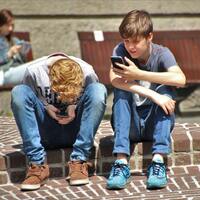


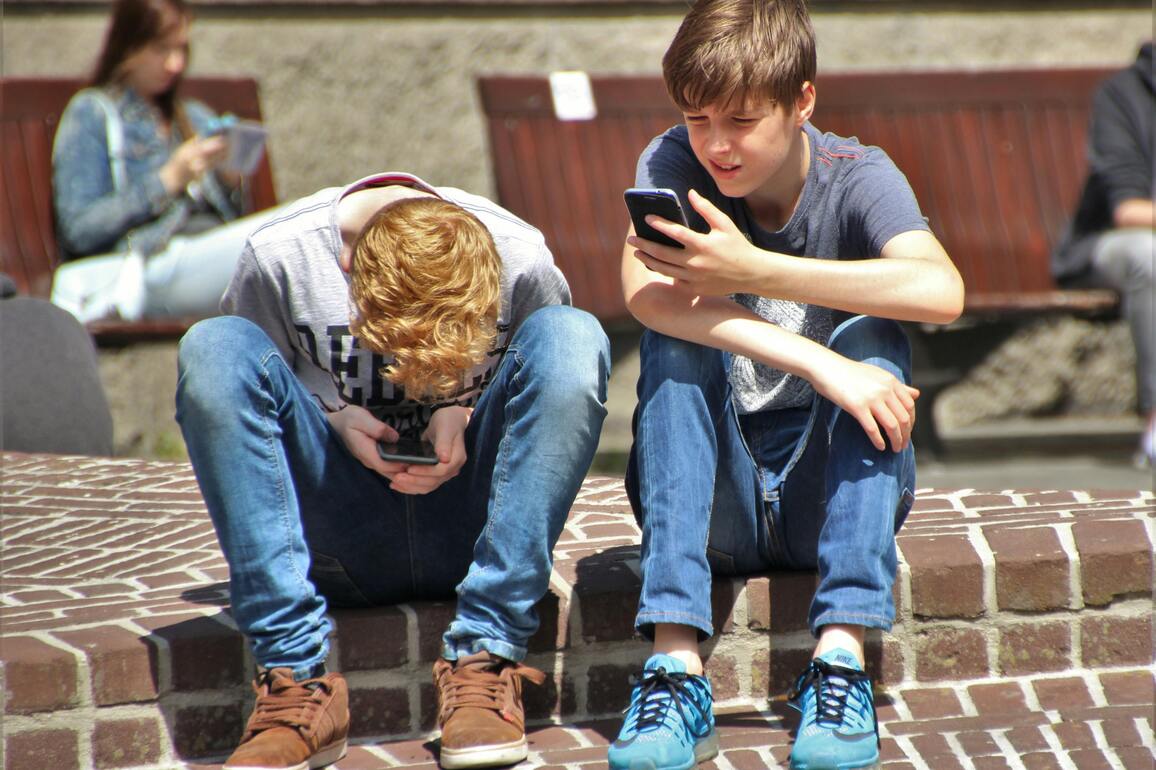
SYDNEY, NSW Australia: As Australia began enforcing its world-first social media ban for under-16s on Wednesday, teenagers and mental health services were bracing for what could be a tough summer break marked by isolation and reduced access to online support.
From December 10, Australians under 16 are being blocked from TikTok, YouTube, and Instagram, stripping more than a million young users of their accounts just as the long December-to-January holidays begin — a period when much of the country slows down until February.
Sydney's 15-year-old Ayris Tolson expects the initial days to be manageable while she is surrounded by family. But she worries the absence of both school and online connections will quickly take a toll.
"You're basically isolated for about six weeks during the school holidays," she told Reuters. "As it continues, I will probably feel more attached to social media. It's not such a good time."
Mental health specialists say teenagers could feel the impact more acutely because routines disappear over the holidays, and institutional support from teachers or school counsellors is unavailable. They warn the "cold turkey" shift — no school and no social media — may be especially hard on young people in remote areas or those from migrant or LGBTQI+ backgrounds who rely heavily on online spaces for community.
There is no precise data on how many under-16s use social media for mental health support. Still, a 2024 ReachOut.com survey found 72 percent of Australians aged 16 to 25 seek mental health advice through social platforms, and nearly half use them to locate professional help.
"If you were at school, there would have been a lot of conversation and chatter around it; it's a shared experience," said Nicola Palfrey, head of clinical leadership at headspace. "If you've got more time on your hands and you're in your head quite a bit ... that's not ideal."
Canberra says the ban, which exposes platforms to fines of up to A$49.5 million (US$33 million), is designed to shield young people from harmful content, bullying, and addictive algorithms. eSafety Commissioner Julie Inman Grant acknowledged that many marginalised teens "feel more themselves online than they do in the real world" but pointed to various online spaces exempt from regulation, including those operated by headspace.
The government plans to collect two years of data to examine both benefits and unintended consequences.
Youth services are already preparing for ripple effects. Kids Helpline, which usually sees quieter summers, is adding 16 counsellors, a 10 percent increase, anticipating a rise in demand.
"With young people being disconnected ... that may actually increase anxiety," said head of virtual services Tony FitzGerald.
Offline youth programs are also scrambling. Lauren Frost of the Youth Affairs Council Victoria said she is fielding constant questions from organisations that are now cut off from their primary communication channels. Holiday closures will only compound the challenge.
"They're feeling a lot of fear and a lot of anxiety," she said.
Clinicians at Fiona Stanley Hospital in Perth will monitor for increases in cases of gaming and social media withdrawal over the break.
Some teens, like 14-year-old Annie Wang, feel less affected because they primarily use Discord, which is exempt. But she worries about peers who do not.
"They're basically just shut off from everyone ... which is not good," she said.