

BRUSSELS, Belgium: The European Union is preparing to abandon its planned phaseout of new combustion-engine cars from 2035, signaling a significant shift in climate policy amid mounting pressure from automakers and Germany's government, a senior EU lawmaker said on Friday.
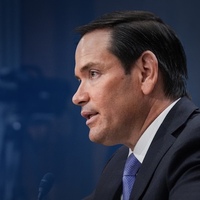
Manfred Weber, president of the European People's Party (EPP), the largest group in the European Parliament, said the European Commission will instead propose an alternative approach focused on emissions reductions rather than an outright ban on petrol and diesel vehicles.
"Next Tuesday, the European Commission will be putting forward a clear proposal to abolish the ban on combustion engines," Weber said at a press conference in Heidelberg, Germany.
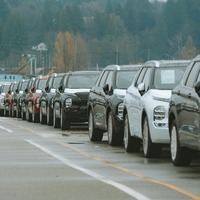
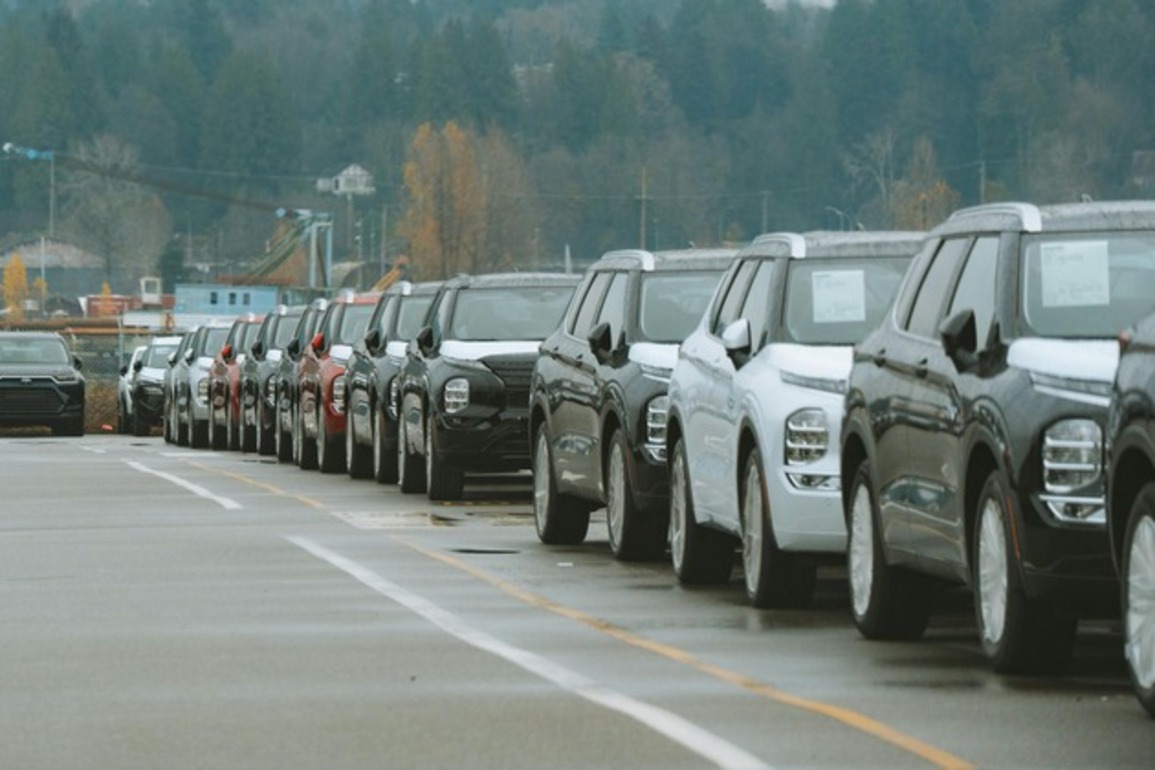
The planned ban has been a central pillar of the EU's decarbonisation strategy, designed to accelerate the transition to electric vehicles. But it has faced sustained lobbying, particularly from Germany and its robust auto industry, which argues that European manufacturers are under severe competitive pressure from Chinese rivals and slowing electric vehicle demand.
Weber said the new proposal would require automakers to achieve a 90 percent reduction in fleet CO2 emissions for new registrations from 2035 onward, stopping short of a full ban.
"There will also be no 100 percent target from 2040 onwards," he told mass tabloid Bild late this week.
The European Commission is due to present its formal plans on December 16, but declined to comment ahead of the announcement.
Weber said decisions on how to meet climate targets should be left to consumers and markets, echoing arguments made by major European carmakers including Volkswagen, Stellantis, and Mercedes-Benz, which have urged Brussels to adopt a more flexible regulatory framework.
German Chancellor Friedrich Merz, who appeared alongside Weber at the press conference on December 12, said electric vehicles would remain the primary route to carbon neutrality but stressed the importance of allowing other technologies.
"And that is precisely what we mean by technological openness. This now gives the industry real planning security," Merz said.
Germany has pushed strongly to overturn the planned ban, warning that its automakers risk falling further behind as Asian competitors expand their presence in Europe and U.S. import tariffs add to financial strain.
Last month, Merz wrote to European Commission President Ursula von der Leyen, arguing that demand for electric vehicles had failed to meet expectations and that manufacturers needed greater flexibility.
"Large parts of the automotive industry in Europe, including in Germany, and I am referring in particular to the supplier industry, are in a complicated economic situation, which is why we must correct the framework conditions in Europe as quickly as possible so that this industry has a future in Europe," Merz wrote.
Automakers have repeatedly warned that the pace of electrification has lagged behind policy ambitions, with EV sales growth slowing across key European markets.
The proposed rollback would mark a significant policy win for Germany and the auto sector, potentially reshaping Europe's long-term climate and industrial strategy as the bloc balances decarbonisation goals with economic competitiveness.