

PALEMBAYAN, Indonesia: More than 850 people have lost their lives to cyclone-induced floods and landslides in Indonesia alone, even as the figure for Southeast Asia has swept past 1,600.
As rescuers battled to clear roads, the improved weather conditions revealed the scale of the disaster in Indonesia, Malaysia, and Thailand. A rare tropical storm that formed in the Malacca Strait unleashed torrential rains and wind gusts for a week, devastating the three countries.
In Indonesia, national disaster officials say at least 846 people are confirmed dead and 547 others remain missing
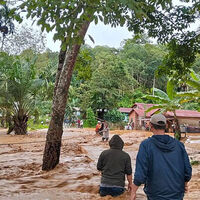
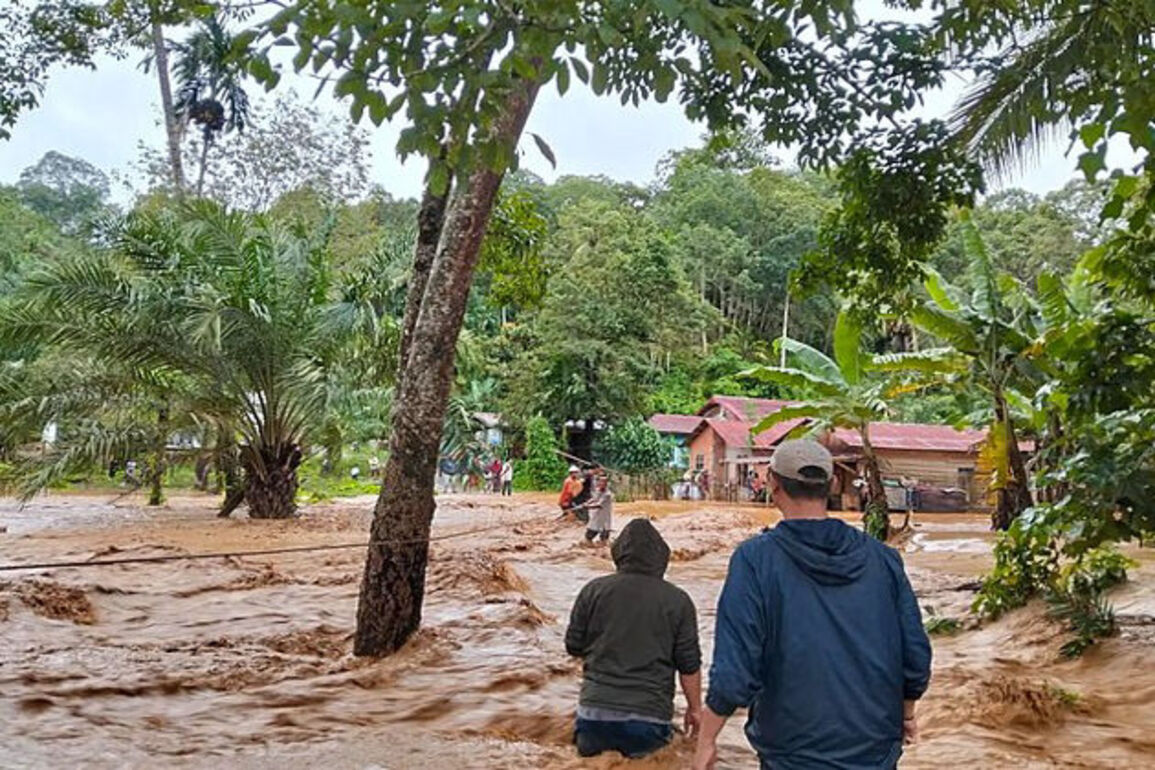
Hundreds of people were clearing mud, trees, and wreckage from roads under a clear, sunny, blue sky in the town of Palembayan, Indonesia's West Sumatra. Some residents tried to salvage valuable items such as documents and motorcycles from their damaged homes.
Men searched through piles of mangled poles, concrete, and sheet metal roofing as pickup trucks packed with people drove around looking for missing family members and handing out water to those affected, some trudging through knee-deep mud.
The government's recovery efforts include restoring roads, bridges, and telecommunications services. More than 28,000 homes have been damaged in Indonesia, and 1.5 million people have been affected, according to the disaster agency.
Indonesian President Prabowo Subianto visited the three affected provinces and praised residents for their spirit in the face of what he called a catastrophe.
"There are roads that are still cut off, but we're doing everything we can to overcome difficulties," he said in North Sumatra.
"We face this disaster with resilience and solidarity. Our nation is strong right now, able to overcome this."
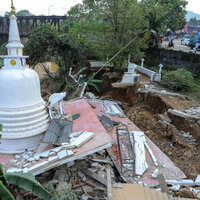
Sri Lanka has recorded 486 deaths, Thailand 276, Malaysia two and Vietnam 2 after rain-triggered landslides.
The devastation in the five countries follows months of adverse and deadly weather in Southeast Asia, including typhoons that have lashed the Philippines and Vietnam, and caused frequent and prolonged flooding elsewhere.
Scientists have warned that extreme weather events will become more frequent due to global warming.
In Indonesia's Palembayan, row after row of houses had collapsed, with crushed vehicles dotting mud-laden streets and piles of motorcycles tangled up in heaps. More than 800,000 Indonesians have now been displaced
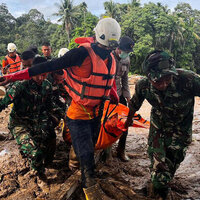
Rescue teams were seen carrying away a body across a swathe of rural land now covered in debris, uprooted trees, and household furniture.
"These used to be the houses of my parents, my brother, and also my rice milling place; now all are gone," said Muhammad Rais, who lives in Palembayan and lost two family members. "We have nothing left."
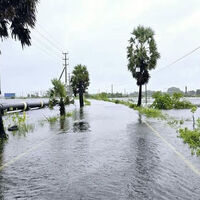
In neighbouring Malaysia, 11,600 people are living in evacuation centres, according to the country's disaster agency, which said it was still on alert for a second and third wave of flooding.
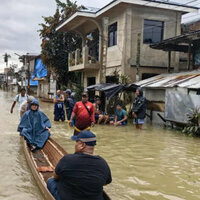
On December 1, flooding in eight southern provinces affected about three million people. It led to a significant mobilization of the military to evacuate critical patients from hospitals and reach people marooned for days by floodwaters.
In the hardest-hit province of Songkhla, 138 people were killed. The government said 85 percent of water services had been restored and were fully operational by December 3.
Thailand's recovery effort is mainly focused on the worst-affected city, Hat Yai, a southern trading hub, which on November 21 received 335 mm (13 inches) of rain, its highest single-day tally in 300 years, followed by days of unrelenting downpours.
Prime Minister Anutin Charnvirakul has set a seven-day timeline for residents to return home.